
Cultural insights into gambling practices around the world
The Historical Roots of Gambling
Gambling has a rich history that dates back to ancient civilizations, reflecting societal values and cultural practices. In ancient China, evidence suggests that rudimentary gambling games were played as early as 2300 BC, often linked to divination practices. Similarly, the Romans engaged in gambling during various public events, embedding it into the fabric of their social life. These historical foundations laid the groundwork for gambling to evolve into a global phenomenon, transcending borders and cultures, much like how https://miss1on-uncrossable.com/ represents a new dimension in modern gaming.

Throughout history, gambling has served various purposes—entertainment, social bonding, and even economic gain. In many cultures, it has been celebrated and incorporated into festivals, while in others, it has faced restrictions or moral scrutiny. These contrasting attitudes highlight how cultural context can shape gambling practices, making them unique to each society.
Regional Variations in Gambling Practices
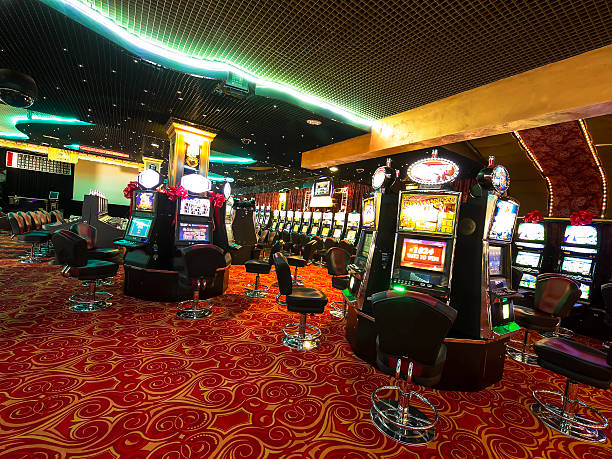
Diverse regions around the globe have developed distinct gambling practices influenced by local customs, laws, and societal attitudes. For example, in Japan, gambling is heavily regulated, with pachinko parlors providing a unique blend of slot machines and gaming that is culturally accepted. Meanwhile, in countries like Las Vegas in the United States, casinos represent the pinnacle of entertainment, attracting millions for leisure and tourism.
In contrast, some regions, such as certain areas in the Middle East, prohibit gambling entirely due to religious beliefs. This creates a fascinating dichotomy in global gambling practices, where some cultures celebrate gaming while others enforce strict bans. Understanding these regional variations is essential for appreciating how deeply ingrained gambling can be within different societies.
Modern Technology and Gambling
The digital age has revolutionized the gambling landscape, making it more accessible and engaging than ever before. Online gambling platforms, including offerings like Mission Uncrossable Canada, provide users with the convenience of playing from home or on the go. Innovations like blockchain technology and cryptocurrencies further enhance this experience, ensuring secure transactions and anonymity.
This tech-driven transformation allows for a broader demographic to participate in gambling activities. Younger generations are more inclined to engage with online gaming, shaping the future of gambling practices. As technology continues to advance, it is likely that new forms of gaming, such as the exciting Mission Uncrossable Demo, will emerge, aligning with the preferences of a tech-savvy audience.
Gambling and Social Interaction
Gambling often serves as a social activity, bringing people together in various settings, whether in a casino, a local bar, or online platforms. In many cultures, gambling is intertwined with communal events, such as sports betting during major games or card games among friends. These social interactions can enhance the overall experience, making it more enjoyable and memorable.
However, the social aspect of gambling also brings forth discussions about responsible gaming. As the lines blur between socializing and problem gambling, it becomes crucial for communities to promote awareness and support structures. Many countries have implemented responsible gambling initiatives, aiming to ensure that the thrill of gaming — including experiences like the popular roobet mission uncrossable — remains a source of entertainment rather than a harmful addiction.
Exploring the Future of Gambling
The landscape of gambling is continually evolving, influenced by cultural shifts, technological advancements, and changing regulations. As we witness the rise of virtual reality casinos and live dealer games, the gambling experience is becoming increasingly immersive. This transition not only caters to the demands of modern players but also reflects a broader societal acceptance of gambling as a form of entertainment.
As the industry grows, it is essential to consider the implications of these changes. The balance between innovation and regulation will play a significant role in shaping the future of gambling worldwide. Understanding these trends will be vital for stakeholders aiming to navigate this dynamic environment successfully.