
The Thrill of Uncertainty
The psychology behind casino gambling is deeply rooted in the thrill of uncertainty. Gamblers are naturally drawn to the unpredictable outcomes that games offer, such as the spinning of a roulette wheel or the shuffling of cards. This unpredictability creates a rush that can be both exhilarating and addictive, as players seek the dopamine release associated with wins that follow a streak of losses. The anticipation builds as players invest their time and money, often leading them to chase losses in hopes of a big win. In this environment, many players find themselves exploring casinos online australia which offers a convenient way to engage in their favorite games from the comfort of their homes.
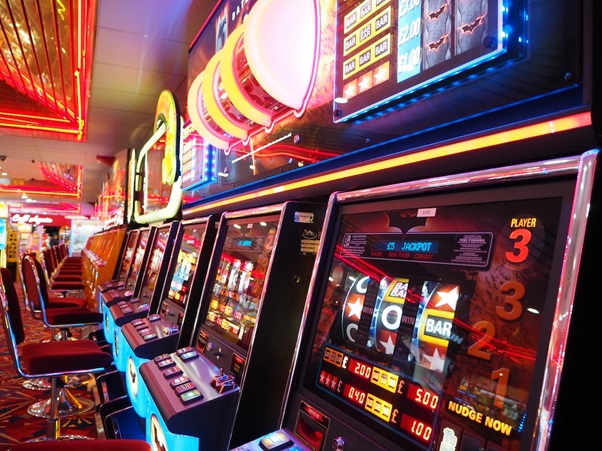
This behavior is often exacerbated by the concept of variable reinforcement, where the odds of winning are not fixed. Gamblers may win sporadically, reinforcing their belief that persistence will ultimately lead to success. This psychological phenomenon is akin to the mechanics of slot machines, where the intermittent rewards can keep players engaged far longer than they originally intended. The thrill of possibly winning big can overshadow rational thinking, leading to continued gambling despite adverse outcomes.
Risk-Taking and Impulse Control
Another prominent psychological factor in casino gambling is the interplay between risk-taking and impulse control. Many individuals are attracted to gambling due to its inherent risks, which can be thrilling for those who enjoy high-stakes environments. This risk-taking behavior is often correlated with personality traits such as sensation-seeking, which drives individuals to pursue activities that provide intense experiences. The casino environment, with its flashing lights and sounds, amplifies this sensation-seeking behavior, making it hard for players to resist.
Impulse control plays a crucial role in a gambler’s decision-making process. Individuals with lower impulse control may be more likely to make spontaneous gambling decisions, leading to the potential for excessive play. This can manifest in behaviors such as betting beyond one’s means or returning to the casino after significant losses. Understanding the psychology behind impulse control can help in developing strategies to manage gambling behaviors more effectively.
Social Influences and Group Dynamics
The social aspect of gambling is another critical psychological factor. Casinos often capitalize on group dynamics, where the presence of others can significantly influence an individual’s gambling behavior. The energy of a bustling casino, with the cheering of players and the collective anticipation of winnings, creates an environment that can heighten emotions and encourage more aggressive betting. This social reinforcement can lead to increased participation and spending, as players feel compelled to join in the excitement of those around them.
Moreover, peer influence can lead to normalization of gambling habits. Individuals may find themselves more inclined to gamble if it is perceived as a social norm within their friend group or community. This can create a cycle where gambling becomes not just a solitary activity but a social one as well, further embedding it into a person’s lifestyle. Understanding these social influences can aid in recognizing the external factors that contribute to gambling behaviors.
Emotional Triggers and Escapism
Emotional triggers often play a significant role in gambling behavior. Many individuals turn to gambling as a form of escapism from stress, anxiety, or other emotional struggles. The casino environment offers a temporary distraction, allowing players to immerse themselves in games and forget their everyday problems. This emotional connection can lead to repeated gambling behavior as individuals look for solace in the thrill of the game.
However, this reliance on gambling as an emotional escape can lead to the development of compulsive behaviors. When gambling becomes a primary coping mechanism, it can result in a cycle of dependency, where players continually seek the highs of gambling despite the potential for negative consequences. Recognizing these emotional triggers is essential for understanding why people gamble and how they can address these underlying issues in healthier ways.

Further Insights at New Horizons Learning Centres
At New Horizons Learning Centres, understanding the psychological underpinnings of casino gambling offers valuable insights that can enhance personal development and career prospects. Gaining knowledge in this area can serve professionals in various fields, from psychology to marketing, particularly those working within the gaming industry. As the complexities of human behavior are unveiled, individuals can better equip themselves with strategies for effective engagement and support.
Through our courses, you can explore the intricate relationship between psychology and gambling behaviors, empowering yourself with the understanding needed to navigate this multifaceted industry. Join us at New Horizons Learning Centres to delve deeper into the psychology of casino gambling and discover how this knowledge can benefit your career and professional journey.