
The Illusion of the Hot and Cold Streaks
One of the most pervasive myths surrounding casinos is the idea of hot and cold streaks. Many players believe that if a table game, like roulette or blackjack, has been winning frequently, it is due for a loss, or conversely, that a game that has seen many losses will suddenly turn around. This misconception stems from the gambler’s fallacy, which incorrectly assumes that past events influence future outcomes in independent games of chance, such as those found at https://mcw-official.com/ where every spin or deal is random, and each has no bearing on the next.
The randomness of casino games is mathematically supported by the principles of probability. For example, in a game of roulette, each spin of the wheel is independent, meaning that the outcome of prior spins does not predict future results. Even though players might feel more confident betting on red after a series of black outcomes, the probability remains the same for every spin. Understanding this can help players develop a more rational approach to their gameplay.
Ultimately, recognizing that hot and cold streaks do not exist can mitigate emotional decision-making at the tables. Players who rely on this myth may experience irrational behavior, increasing their losses or engaging in poor betting strategies. Awareness of the randomness inherent in casino games allows players to focus on their strategies and manage their bankrolls more effectively, leading to a more considered and enjoyable gaming experience.
The House Always Wins
Another common belief is that the house always wins, which can lead players to feel hopeless about trying to beat the odds in a casino. While it is true that casinos are designed to maintain an edge over players, this statement oversimplifies the reality of gambling. Different games and variations within them can have different odds, meaning that some players can, in fact, find opportunities for winning. Understanding the house edge is crucial for any player hoping to have a successful gambling experience.
For instance, games like blackjack, when played with optimal strategies, can have a house edge as low as 0.5%, giving skilled players better chances than they would find in slots or other games. Conversely, slot machines can have a house edge ranging from 5% to 15%, making them less favorable for the long-term player. Knowledgeable players who select their games wisely can dramatically alter their potential outcomes and maximize their enjoyment while minimizing losses.

Moreover, even though the house typically has a statistical advantage, this does not negate the possibility of individual wins. There are countless stories of players hitting large jackpots or making significant profits, reminding us that while the odds may not be in our favor, success is still achievable. Embracing a balanced perspective on winning and losing can enhance the overall enjoyment of gambling without fostering a defeatist mentality. Understanding that the house edge varies by game empowers players to make informed decisions.
Chasing Losses and the “One More Bet” Mentality
A notorious myth in the gambling world is the belief that players can recover their losses by making just one more bet. This “chasing losses” mentality can lead to significant financial consequences and emotional distress. Many players find themselves caught in a dangerous cycle where they continue to gamble in hopes of winning back what they’ve lost, often leading to even greater losses and desperation. Recognizing this pattern is crucial for developing a more sustainable approach to gambling.
Chasing losses frequently results in players deviating from their original strategy, betting more than they initially intended, and making impulsive decisions. This behavior can cloud judgment and create an obsession with winning back lost money, further compounding the risk of loss. Understanding the cycle of gambling and the emotional triggers that lead to chasing losses can help players take a step back and reassess their approach. It is vital to recognize that losses are part of the game.
To combat the urge to chase losses, players should establish clear limits on their gambling sessions and stick to them. Setting a predetermined bankroll and adhering to it is vital for responsible gaming. Additionally, taking breaks and leaving the casino when emotions run high can be beneficial. Recognizing that losses are a natural part of gambling can help players maintain a healthier relationship with their gaming habits, allowing for enjoyable experiences without the pressure of recovering losses through reckless betting.
The Myth of Superstitions and Lucky Charms
Superstitions and the belief in lucky charms in gambling is another myth that persists in the casino atmosphere. Players often rely on specific rituals, such as wearing certain colors or carrying lucky coins, in the hope that these practices will influence their gaming outcomes. While rituals can provide comfort, it is critical to understand that they have no effect on the inherent randomness of casino games. This misconception can lead to irrational decision-making and poor gaming choices.
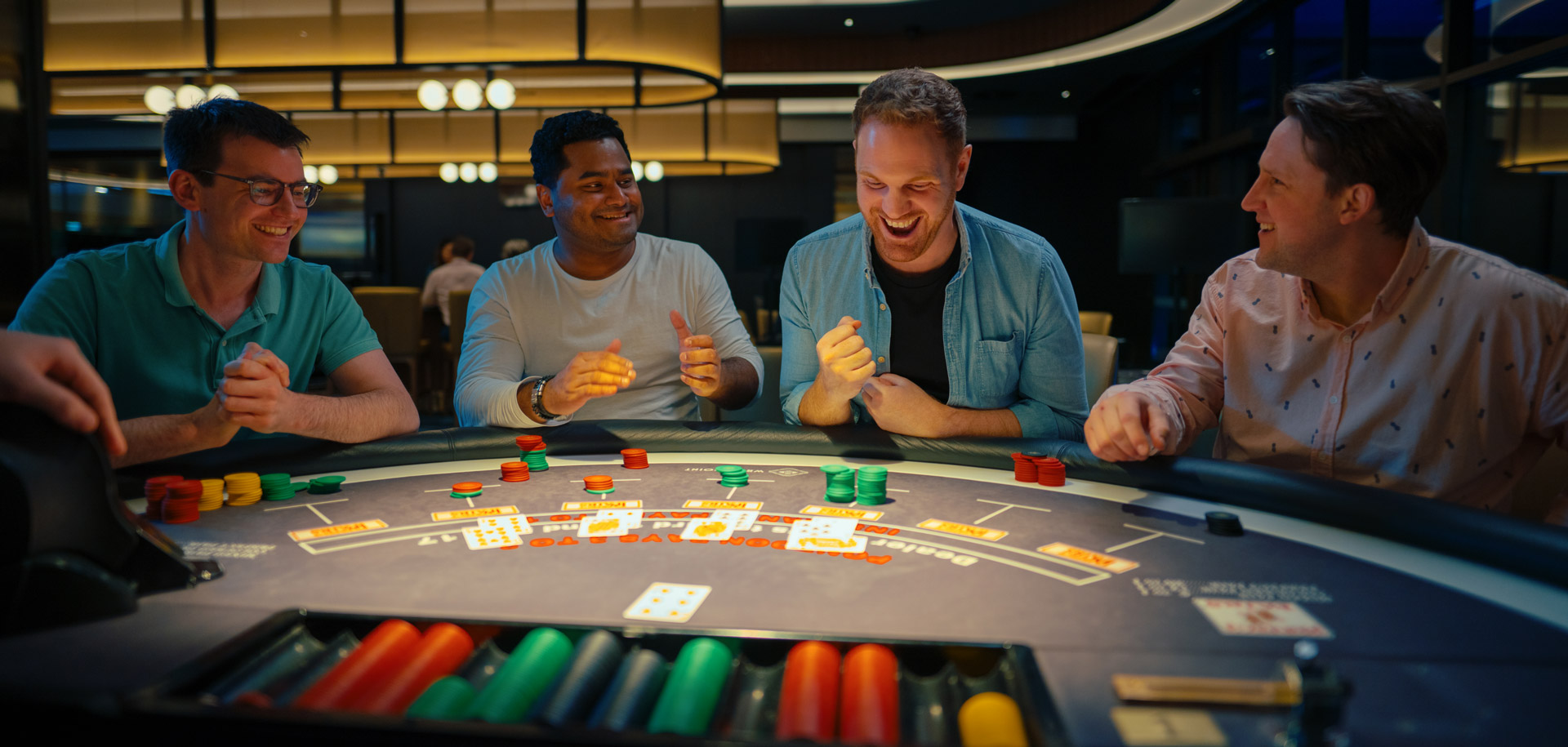
The reliance on superstitions can sometimes lead players to make decisions based on emotion rather than logic. For instance, a player may believe that a particular machine is “due” for a payout because they have seen others win on it. In reality, the payout of slot machines is determined by random number generators and is entirely independent of previous outcomes. This means that the concept of luck is more about perception than reality, and understanding this can help players focus on game strategies rather than myths.
Ultimately, recognizing the illusory nature of superstitions in gambling can help players focus more on strategies grounded in mathematics and probability rather than engaging in meaningless rituals. While it can be fun to have beliefs about luck, understanding their limitations can lead to more responsible and enjoyable gaming experiences. Players should strive to base their decisions on sound principles rather than on superstition.
Choosing a Reputable Casino Website
When exploring online gambling, selecting a reputable casino website is paramount. Players should look for platforms that are licensed and regulated by authoritative bodies to ensure fair play and security. Reputable casinos will also provide transparency regarding their game odds, payout percentages, and terms and conditions. Engaging with trustworthy sites protects players from potential scams and enhances the overall gaming experience, fostering a sense of safety while gambling online.
In addition to licensing, players should also consider user reviews and reputations when choosing a casino. Reliable platforms will have positive feedback regarding their customer service and payout processes. Understanding the experiences of other players can guide you toward reputable options and avoid sites that may have negative practices or unresolved complaints. This research is crucial for ensuring a safe and enjoyable online gambling experience.
Taking the time to research and choose a reputable casino website not only enhances your safety but can improve your gaming experience significantly. Knowing that you are playing through a secure and fair platform allows you to focus on enjoying the games without worrying about potential financial risks. Ultimately, a good choice of an online casino can be the difference between an enjoyable experience and one fraught with anxiety and potential loss.